Work rarely gives us clean pauses or perfect conditions. This month we focus on three everyday leadership realities: carrying forward tough decisions, keeping trust intact under strain, and finding small ways to help people reset when the pace won’t let up.
Each story isn’t just a headline—it’s a view worth bringing into focus.
February 2026 / Issue 4
When Leadership Means Carrying a Decision You Don’t Support
The difference between resistance and stewardship under pressure
A recent HBR Managing Up discussion explores a familiar leadership moment: a decision is made above you, you disagree with it, and you’re still expected to carry it forward. It may be a reorganization, a layoff, or a strategic shift that runs counter to what you believe is right for your organization.
You may have raised concerns. You may believe the decision will create more problems than it solves. None of that changes what comes next. The decision stands. The work now belongs to you.
The leadership perspective: This is where leadership gets uncomfortable. You’re accountable for a decision you didn’t choose, and your team and leaders are watching how you carry it. Many leaders try to stay honest by explaining their disagreement or softening the message. The intent is good. The result is often confusion.
Leadership here isn’t about agreement. It’s about holding the decision with enough steadiness that your team doesn’t have to carry the uncertainty for you.
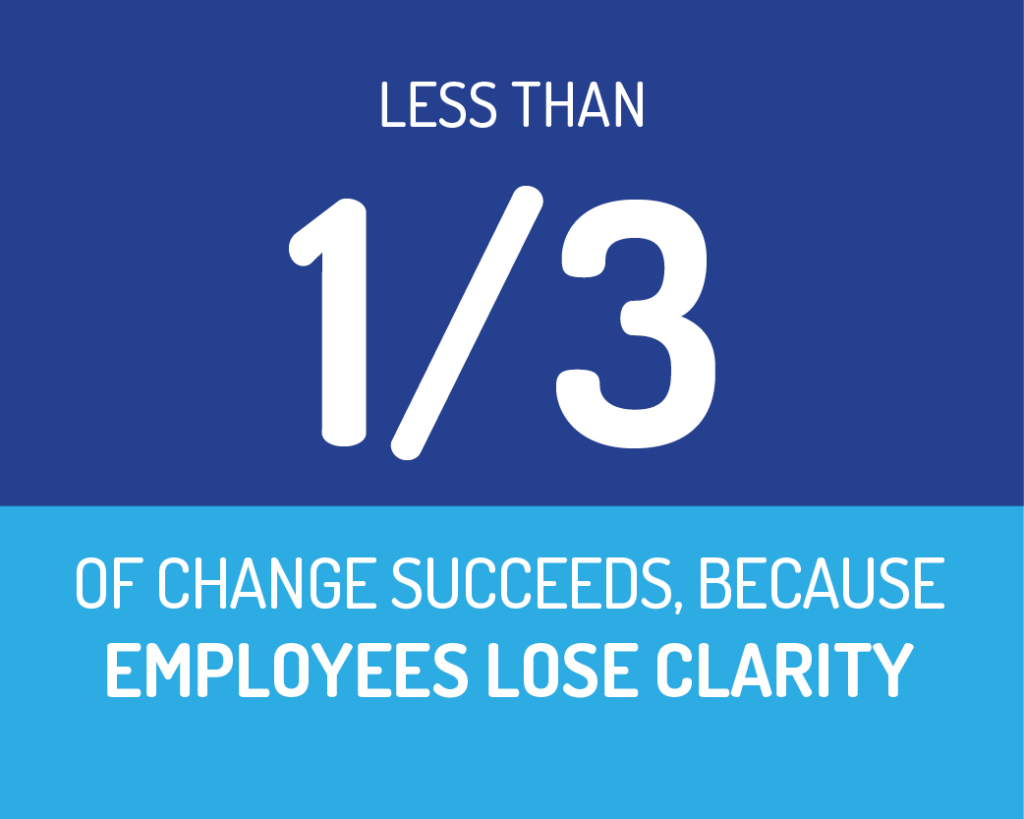
Why it’s worth zooming in: McKinsey research shows that fewer than one-third of transformation efforts succeed, largely because employees lose clarity during change. Gallup adds that managers drive roughly 70% of the variance in team engagement.
When leaders sound unsure, execution slows. People hesitate and wait for direction to settle. The issue isn’t disagreement—it’s that uncertainty erodes trust and makes leadership feel distant, rather than human.
How leaders can sharpen focus: When agreement isn’t possible, trust is shaped less by the decision itself and more by how leaders care for the people affected by it.
- Acknowledge your own reaction before you step into the room. Leaders don’t need to erase their feelings, but they do need to process them enough to communicate with care and steadiness.
- Separate personal opinion from collective responsibility. Once a decision is final, your role shifts to helping your team understand how to move forward — not asking them to carry your frustration with you.
- Name what people are likely wondering. Clear communication isn’t just about sharing information; it’s about anticipating concerns and addressing them directly and respectfully.
- Stay present after the announcement. Trust grows in the follow-up conversations — answering questions, listening to impact, and reinforcing direction over time.
This is compassionate leadership in practice. You don’t have to pretend a decision feels easy. You do have to lead it in a way that keeps people informed, respected, and able to move forward together.
In Tough Times, Psychological Safety Is Not Optional
When pressure rises, speaking up becomes essential—not expendable
When uncertainty increases and resources tighten, leaders often make the same trade-off: focus on execution and cut what feels nonessential. Psychological safety is usually one of the first things to go. A recent article, highlighted by Harvard Business School Working Knowledge, suggests that instinct is backward. The ability to speak honestly without fear becomes more critical—not less—when conditions are hardest.
The leadership perspective: Psychological safety is often misunderstood as comfort or consensus. In practice, it’s about whether people believe they can raise concerns, admit uncertainty, or ask for help without consequences.
In tough moments, leaders may assume they can’t afford this. The instinct is to tighten control, limit discussion, and push forward. What often feels like focus becomes a pattern of silence, where people hold problems privately instead of addressing them early.
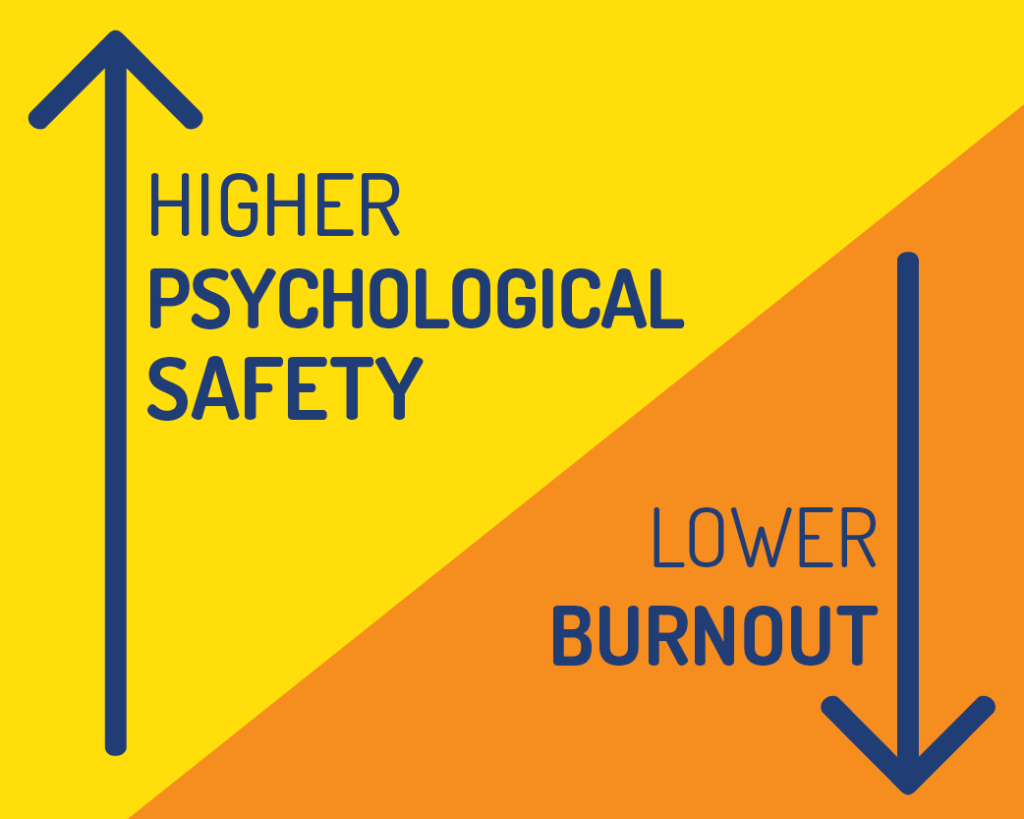
Why it’s worth zooming in: A study of more than 27,000 healthcare workers before and during the pandemic found that employees who felt psychologically safe experienced lower burnout and were more likely to stay, even under severe constraints. While the research focused on healthcare, the conditions mirror what many industries face during periods of uncertainty: high stakes, limited resources, and constant pressure to perform.
Gallup’s engagement data reinforces this pattern across sectors, showing that managers drive the majority of variance in how people experience work. When leaders shut down voice, stress compounds. When leaders keep space for candor, teams remain engaged longer under pressure.
How leaders can sharpen focus: In tough times, psychological safety is built by how leaders handle uncertainty—not by pretending it isn’t there.
- Be direct and open about uncertainty. Don’t fake confidence. Naming what you don’t know helps people stay grounded instead of anxious.
- Encourage questions and feedback at every level. Adaptability depends on people feeling safe enough to speak before problems escalate.
- Reward people for raising concerns and taking interpersonal risks. What gets acknowledged shapes what people are willing to say next time.
- Treat psychological safety as a shared resource, not a program. It’s what allows teams to stay resilient when pressure, change, or crisis hits.

When Leadership Makes Room to Reset
Why small environmental choices shape how people handle pressure
Most workdays don’t feel heavy because of one hard moment. They wear people down because the pace never lets up. The environment stays the same. The body never gets a break from the pressure.
An Associated Press article on workplace wellness shared examples from healthcare, manufacturing, and office settings showing how small environmental shifts—movement, light, and brief time outdoors—help people feel calmer and more focused during the workday.
The leadership perspective: Leaders influence whether the workday allows people to reset or requires them to stay “on” without pause. That’s rarely an explicit choice. It shows up in how meetings are run, how breaks are treated, and whether stepping away is seen as normal or risky.
Leadership here isn’t about encouraging resilience. It’s about intentionally creating moments and space that pull people out of constant strain.
Why it’s worth zooming in: The AP article shared real examples of people who felt calmer and more focused after brief changes to their workday—walking instead of sitting, stepping outside during breaks, or having access to light and greenery indoors.
This matters because burnout rarely announces itself. It builds quietly when pressure never lets up. Leaders who notice how work feels—not just how it runs—can reduce strain before it turns into disengagement, mistakes, or turnover.
How leaders can sharpen focus: Small environmental choices shape how pressure lands during the day.
- Encourage walking or “walk and talk” conversations when possible, even for short check-ins.
- Normalize stepping outside during breaks, especially in indoor or windowless environment.
- Bring elements of nature inside—plants, light, visual access to the outdoors—when stepping out isn’t an option.
- Use natural transitions in the day to let people move before diving into the next task.
This year, our fully remote team at Stop At Nothing shared a small plant stipend for home offices. It was a simple gesture, rooted in something human: our environments influence how we show up, and small moments of care can steady a long workday.
Not every organization can do that. But every leader can look for small ways to bring moments of care into the workday—whether that’s light, movement, or simply permission to pause.