Leadership rarely fails because of a lack of strategy. It struggles when the world keeps shifting underneath you, when the old playbook stops fitting the moment, and when the people closest to the work stop saying what they actually see. Those are the moments that define how leaders grow.
Each story isn’t just a headline—it’s a view worth bringing into focus.
May 2026 / Issue 7
What a Lodgepole Pine Can Teach Us About Pressure
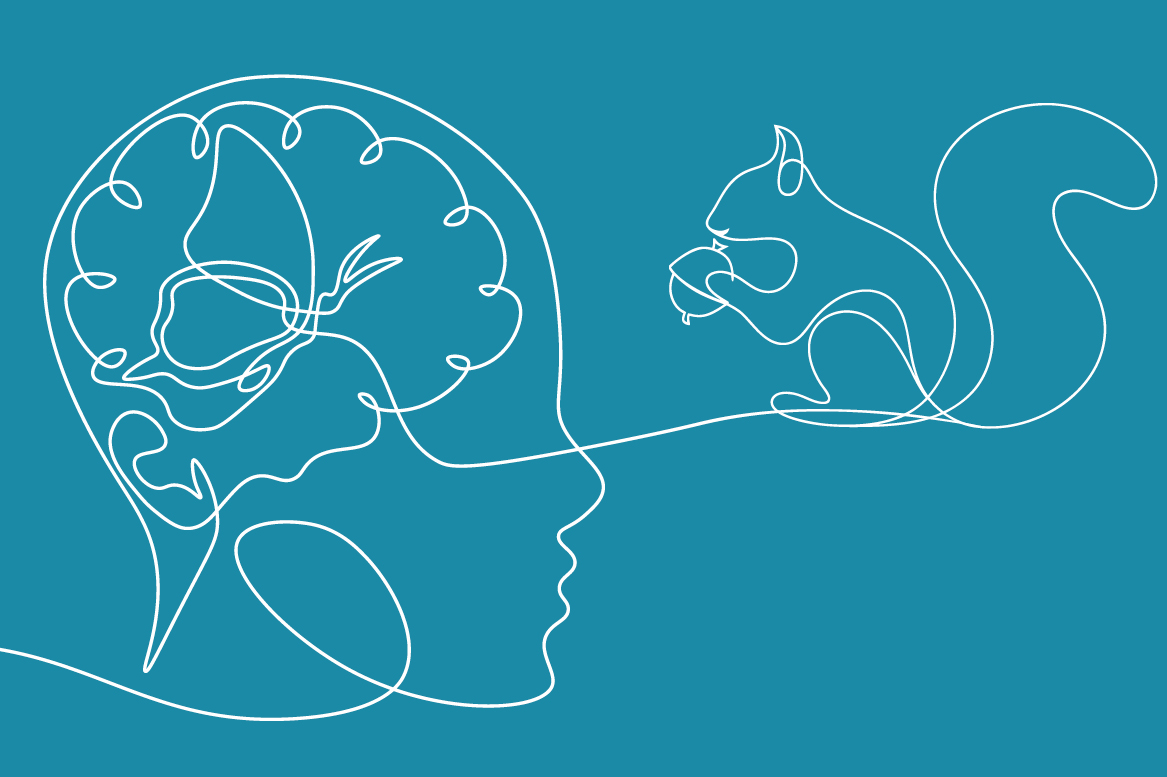
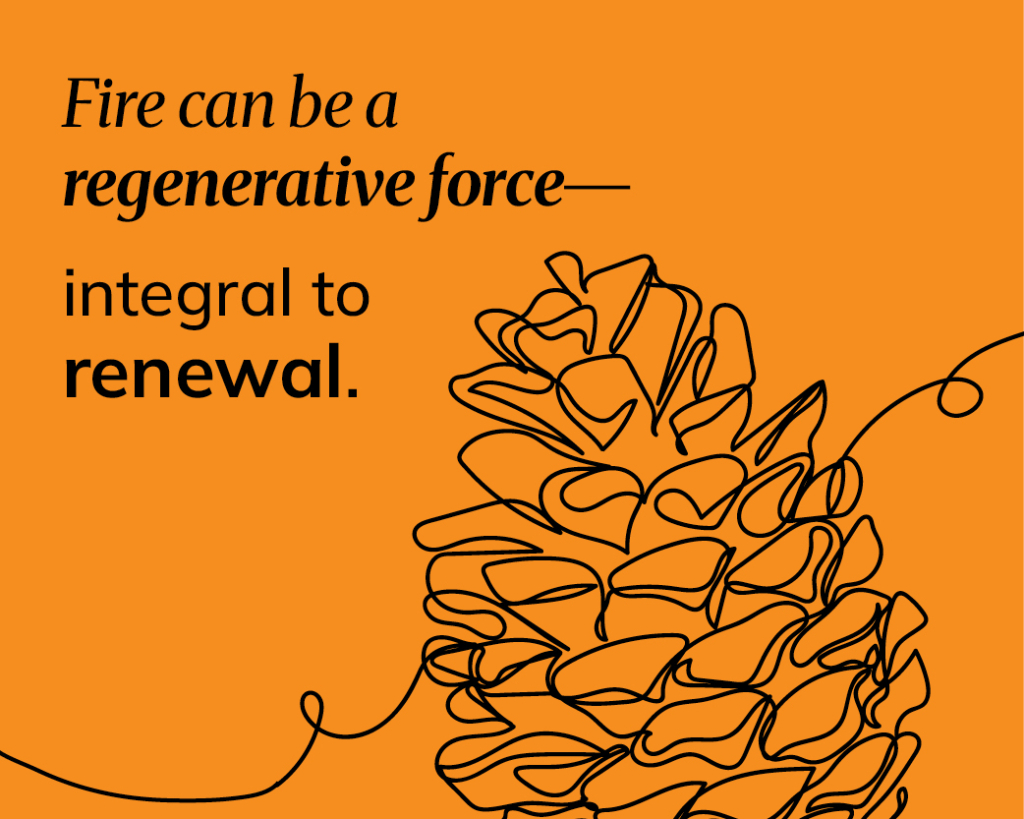
The lodgepole pine tree has a fascinating relationship with its own survival.
It produces cones full of seeds that are ready, viable, and capable of growing into an entirely new tree. But those cones stay sealed shut, coated in a resin that holds everything closed. The seeds sit dormant, sometimes for decades, just waiting.
Then a wildfire moves through the forest. The heat is intense enough to kill the tree itself, scorching the bark and burning through the canopy. But that same heat melts the resin, the cones open, and thousands of seeds fall onto cleared, ash-rich ground at exactly the moment conditions are right for new growth to take hold.
What looks like destruction is actually the condition for rebirth.
The leadership perspective: Pressure in leadership is not a question of if—it’s a question of when. Every leader will face moments that feel like too much heat. A reorganization, a failed initiative, a conflict that can’t be avoided any longer, or a team stretched past its limit.
The instinct in those moments is often to put the fire out as quickly as possible and get back to stable. But the lodgepole pine doesn’t survive by avoiding fire—it survives because it was designed to respond to it. The pressure isn’t the problem, it’s the catalyst. The question isn’t how to avoid it, but what do we do with it when it arrives? Do we resist and react, or can we lean into it and stay open to what it might be making possible?
Why it’s worth zooming in: When leaders focus only on putting fires out, they miss what the fire might be revealing. A team conflict that finally surfaces a deeper communication pattern. A failed project that exposes a gap in how decisions get made. A period of pressure that forces a long-overdue conversation.
The leaders who navigate pressure well aren’t the ones who experience less of it. They’re the ones who’ve learned to tend to it, to ask what this moment is asking of them rather than simply trying to get through it. That shift from reacting to the pressure to working with it is often where the most meaningful growth happens—for leaders, for teams, and for organizations.
How leaders can sharpen focus:
- When pressure increases, pause before reacting and ask what this moment might be revealing that wasn’t visible before.
- Look at the recurring fires in your organization and instead of managing around them, ask whether there is a pattern underneath worth paying attention to.
- Use moments of pressure as an opening for honest conversation with your team rather than a reason to close communication down.
- Notice when your instinct is to restore calm quickly and consider whether staying with the discomfort a little longer might lead somewhere important.
- Ask yourself whether the way your team responds to pressure right now is building their capacity or depleting it.
Navigating the AI Doomsday Fog
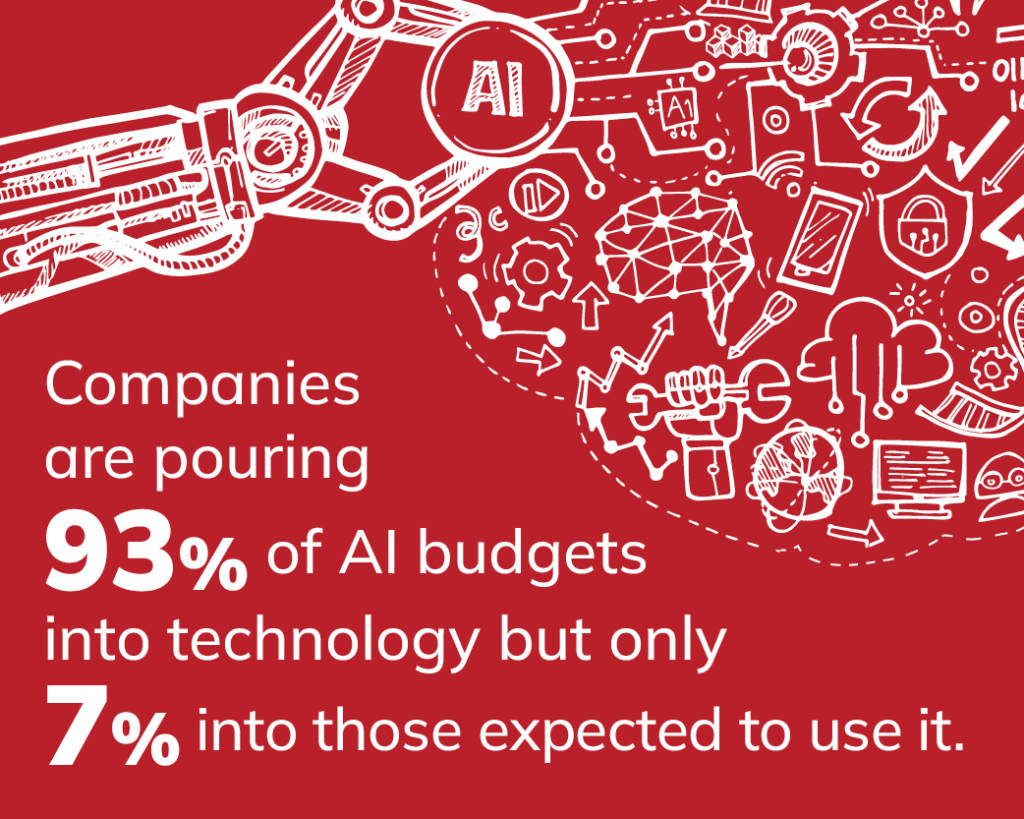
What if the biggest threat AI poses to your organization isn’t the technology itself, but that it’s exposing a leadership gap that was already there?
Researchers from Deloitte, Wharton, and Harvard Business School recently examined what AI is really asking of leaders, and their conclusion pointed somewhere unexpected. The model of what makes a great leader is shifting, and most executives are still operating on the old one.
Linda Hill of Harvard and innovation veteran Jason Wild describe the old model as “pathfinding,” setting a clear destination and driving toward it with confidence. What’s needed now, they argue, is “wayfinding,” the ability to lead without a clear destination in sight. In a world where leaders are quietly admitting they don’t know what their team will look like in a year, let alone three, that distinction is becoming impossible to ignore.
The leadership perspective: AI didn’t create this challenge, it accelerated it. The leaders struggling most right now aren’t the ones without the right technology, they’re the ones whose identity is built around always having the answer. When the path keeps shifting, projecting certainty the situation doesn’t support doesn’t build trust in the people around you. Over time, it erodes it.
Why it’s worth zooming in: When leaders can’t make that shift, the people around them feel it. Deloitte’s Lara Abrash describes what happens in vivid terms, saying workforces behave like antigens. When people don’t see how a change makes their work better or allows them to contribute what makes them valuable, they fight it, and that resistance is what causes well-resourced initiatives to quietly stall.
How leaders can sharpen focus:
- Audit how AI is landing with your middle managers directly. They are closest to where the work is changing and often have the clearest view of what is and isn’t working.
- Create a regular forum where your leadership team can openly discuss what they don’t know yet. The organizations navigating uncertainty best are the ones making it safe to say so.
- Review your current strategic plan through the lens of wayfinding. Where can you build in more flexibility to adjust as the environment continues to shift?
- Identify one major initiative and ask whether the people living through it have been genuinely brought into the process, not just informed of it.
What Leaders Don’t Know They Don’t Know
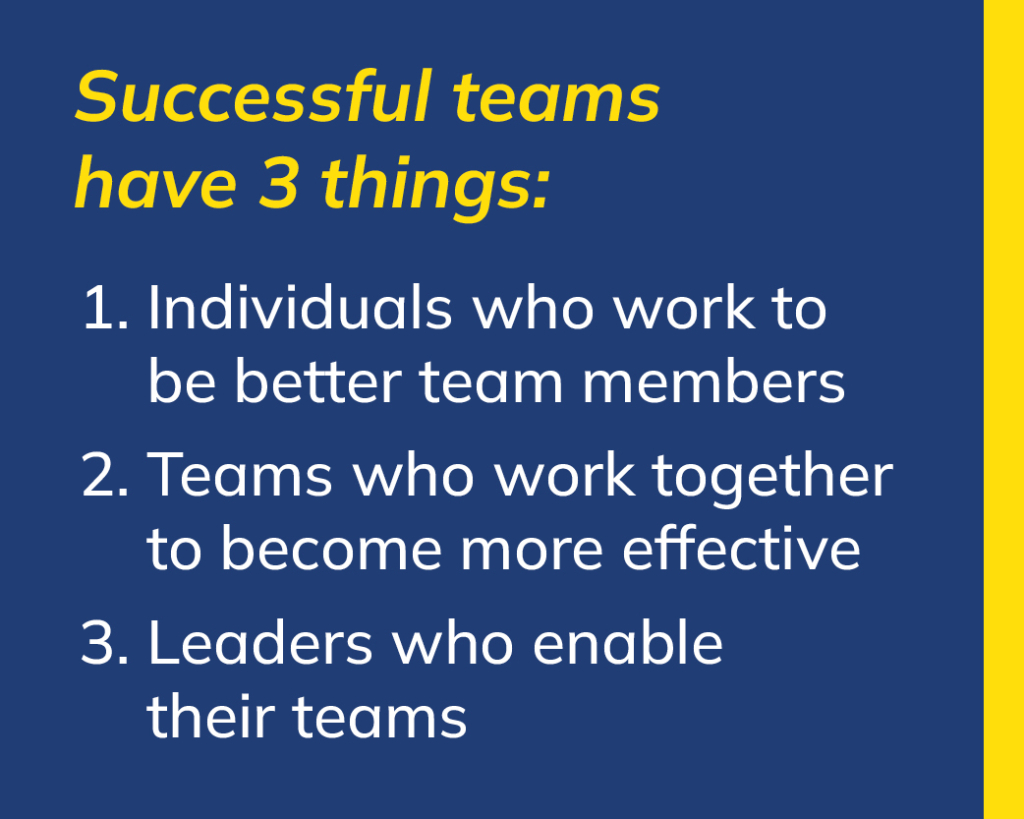
In her new book Mission Ready, NASA scientist Lindy Elkins-Tanton explores what makes teams perform under pressure. After years leading high stakes space missions, she found that the difference between teams that succeed and teams that don’t rarely comes down to strategy or structure. It comes down to the small things leaders don’t notice they’re doing.
One study she references in the book, conducted by Dr. Arieh Riskin, looked at 24 neonatal intensive care teams given a simulated health emergency. Half experienced brief moments of rudeness from their leader. The results were immediate. Those teams stopped asking questions and sharing information almost instantly, and as soon as that happened, they started making mistakes in diagnoses and medication. One comment. That’s all it took.
The leadership perspective: Most leaders don’t think of themselves as rude. But passive aggression, impatience, or simply not responding when someone raises a concern sends the same signal. It teaches people that speaking up carries a cost. And once that lesson is learned, leaders stop hearing what they most need to know. Teams exist for one reason, to recognize problems and solve them. That only works when the people closest to the work feel safe enough to say what they see.
Why it’s worth zooming in: Consider for a moment all the information a leader never receives simply because of tone. The problems that went unspoken. The decisions made without the full picture because someone didn’t feel it was worth the risk to say something. The impact of a single dismissive comment isn’t always visible in the moment, but it accumulates over time in the quality of conversations, the decisions being made, and the team’s willingness to bring what they know to the table.
How leaders can sharpen focus:
- When someone brings you a problem, respond with genuine curiosity before anything else. That single response tells your entire organization whether speaking up is safe or not.
- Before finalizing a major decision, ask your leadership team directly: what are we assuming to be true that we haven’t actually verified? The most costly mistakes are rarely the ones you saw coming.
- Create a direct line to the people closest to the work. They see problems first. Make sure they know their voice reaches you.
- Normalize the phrase “bad news early is good news” on your team and mean it. The culture around how leaders receive difficult information determines what information they actually get.