
Leadership isn’t just about making decisions. It’s about interpreting signals. The challenge is that those signals rarely arrive in neat reports or dashboards. More often, they show up as questions, concerns, hesitation, or resistance. This month’s Leadership Lens explores what leaders can learn when they look beneath the surface of pushback.
Each story isn’t just a headline—it’s a view worth bringing into focus.
June 2026 / Issue 8
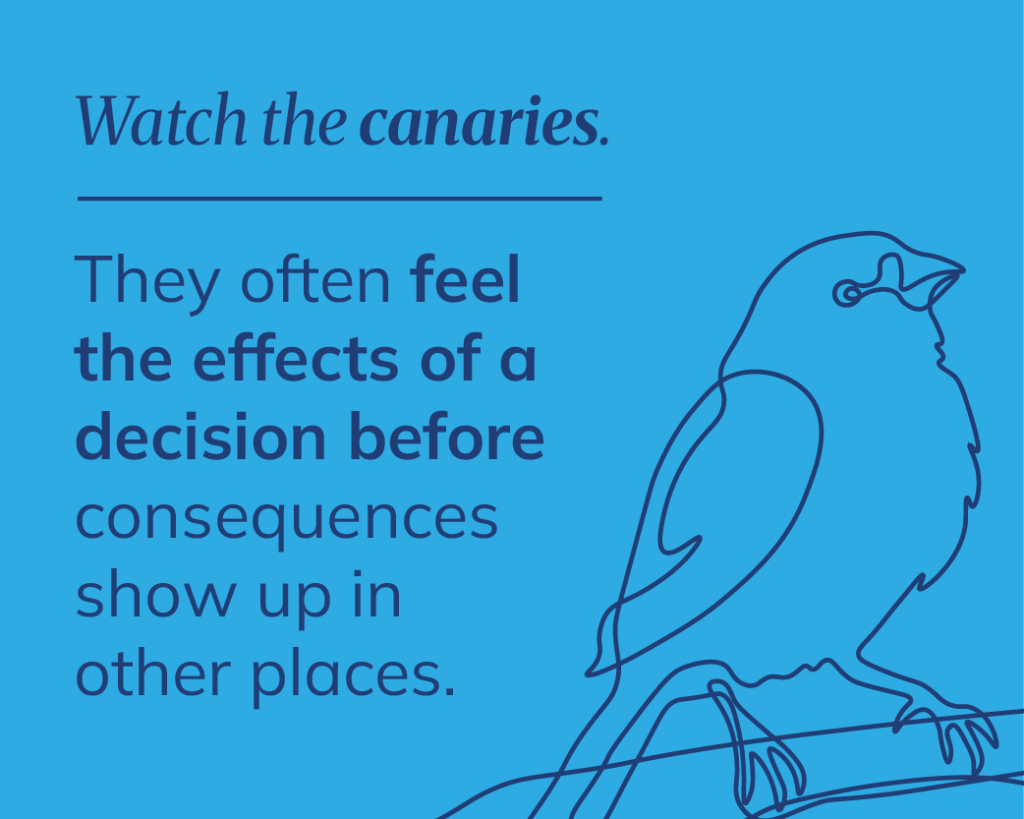
The Canary in the Coal Mine
For generations, coal miners carried canaries underground with them.
The birds weren’t there because they could solve problems. They weren’t there because they were stronger or more knowledgeable than the miners. They were there because they were more sensitive to the environment. If dangerous gases began building up in the mine, the canary would react first. Long before the miners could see the threat themselves, the bird was already experiencing its effects.
The canary wasn’t causing the problem. It was detecting it.
The leadership perspective: Organizations have canaries too. They are often the people who feel the effects of a decision before the consequences are visible anywhere else. A customer-facing employee notices frustration before it appears in retention numbers. A manager feels strain in a process before it shows up in missed targets. A team raises questions about a change before leadership sees where execution may break down.
Why it’s worth zooming in: The first signs of risk rarely arrive in a polished report. They tend to show up as discomfort, hesitation, repeated questions, or tension in the places where the work is actually happening. The mistake is assuming the reaction is the issue. Sometimes the reaction is the earliest evidence that something in the environment has changed.
How leaders can sharpen focus:
Where are you getting your information?
- Follow the bad news. Ask yourself where concerns tend to surface first in your organization and whether leadership is hearing them quickly enough.
- Go where decisions land. Spend time in the places where decisions are being felt, not just where they are being discussed.
- Look beyond the dashboard. Ask what your teams are noticing that hasn’t yet shown up in reports, metrics, or leadership meetings.
- Watch for repetition. Recurring questions and frustrations often reveal more than isolated complaints.

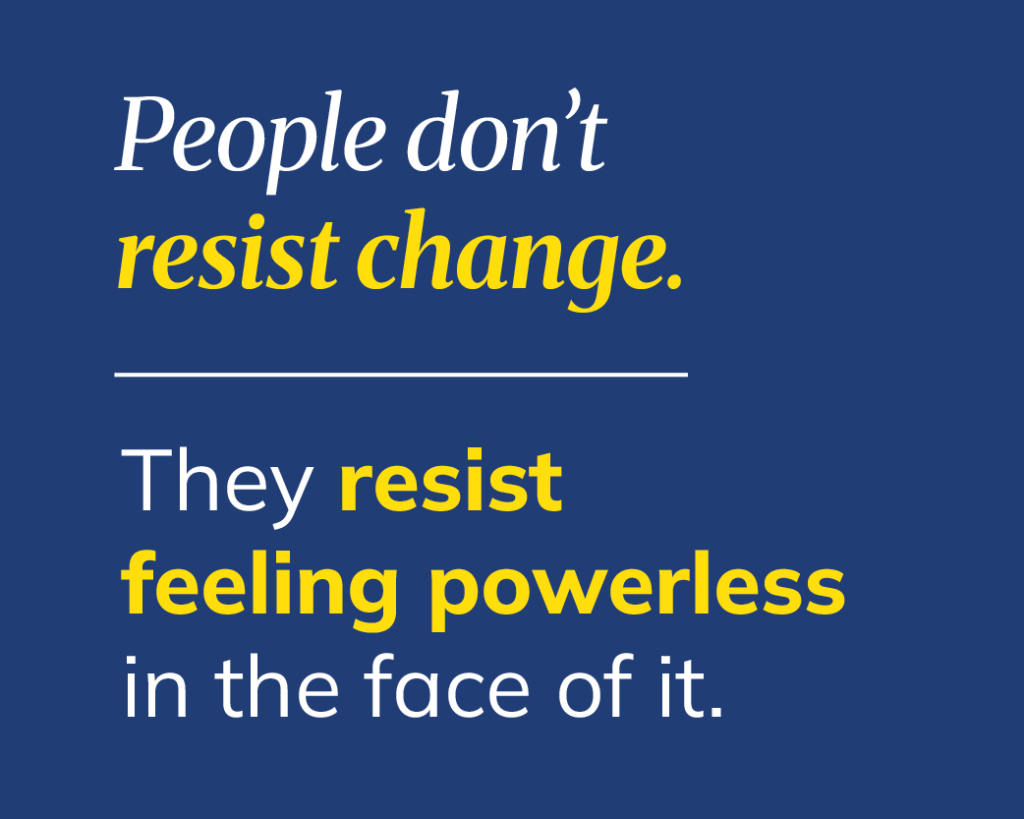
What Resistance Might be Trying to Tell You
Most leaders think they know what resistance looks like.
Questions that keep surfacing after a decision has been made. Frustration during a change initiative. A team that seems hesitant to embrace a new direction. The instinct is often to focus on the behavior itself and figure out how to get everyone moving forward.
But leadership researcher Ron Carucci argues that resistance is often misunderstood. After years studying organizational change, he’s found that what leaders label as resistance is frequently something else entirely. People may be reacting to a loss they haven’t processed, uncertainty they don’t know how to navigate, a lack of control over decisions affecting them, or concerns about a plan that leadership hasn’t yet considered.
The leadership perspective: Leaders often treat resistance as a commitment problem. But resistance can also be a diagnostic tool. It can reveal what people believe they are losing, where they feel excluded, what they do not understand, or where the plan may not match the reality of the work. The question is not simply how to reduce resistance. It is how to read it accurately.
Why it’s worth zooming in: When leaders move too quickly to persuade, correct, or reassure, they may solve the wrong problem. A communication issue requires a different response than a loss of control. A flawed timeline requires a different response than anxiety about role changes. Treating all resistance the same can make leaders feel decisive while leaving the real issue untouched.
How leaders can sharpen focus:
How are you getting interpreting resistance?
- Look for the loss. When resistance surfaces, ask what people may feel they’re losing, not just what they’re being asked to gain.
- Separate reaction from cause. Before responding to pushback, consider what might be sitting beneath the reaction itself.
- Challenge the assumption. When someone disagrees, ask whether they’re resisting the change or responding to something within it.
- Diagnose before persuading. Determine whether the concern stems from uncertainty, lack of involvement, or questions about execution.

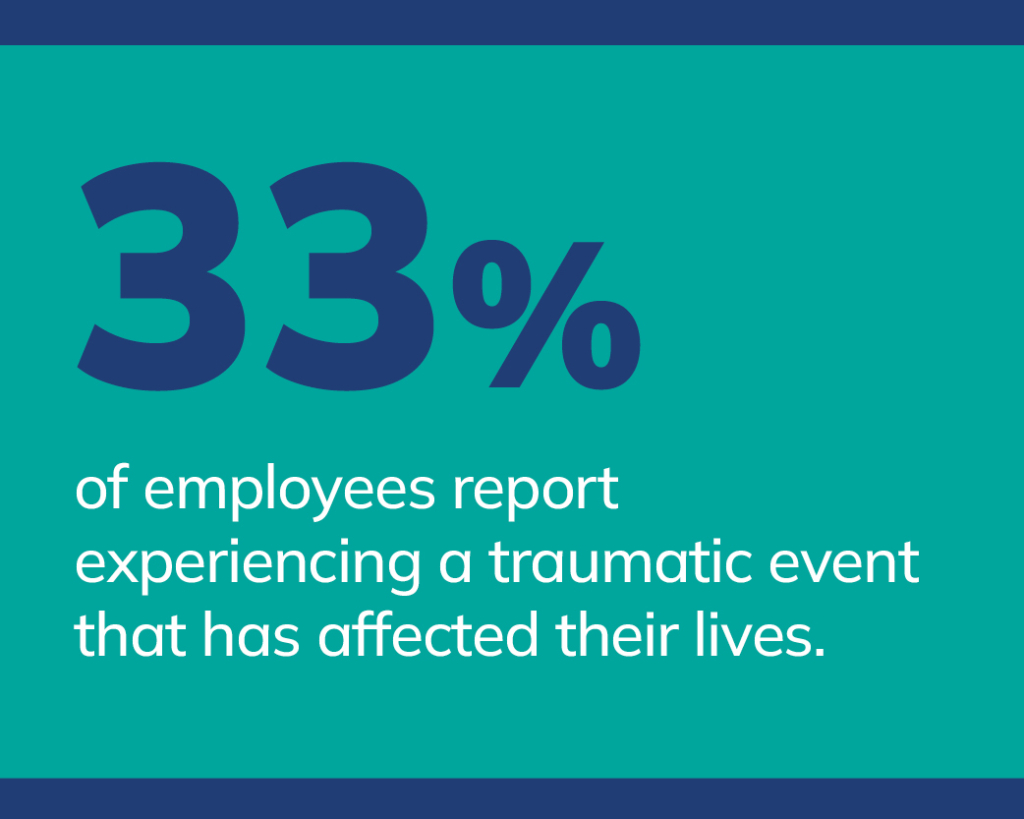
The Weight People Carry
Organizations are constantly asking people to adapt.
New priorities. New structures. New strategies. New expectations.
Most leaders focus on helping people navigate what’s coming next. Far fewer spend time considering what people are still carrying from what came before.
Researchers studying trauma-informed leadership argue that prolonged pressure doesn’t simply disappear when a project ends or a decision gets made. When strain goes unprocessed, it accumulates. Over time, that accumulation can begin shaping how people think, collaborate, and respond to change. What leaders experience as disengagement, defensiveness, or hesitation may sometimes be the result of pressure that has never been fully addressed.
One healthcare executive noticed this pattern during a restructuring and created monthly meetings where teams could openly acknowledge projects that had ended, initiatives that were being deprioritized, and roles that were changing. The team eventually nicknamed them “funeral meetings.” The goal wasn’t to dwell on the past. It was to create space for people to process it before moving forward.
The leadership perspective: Most leaders think resilience comes from helping people withstand more pressure. But resilience is often built by helping people process pressure before it accumulates. Organizations don’t become stronger simply because people endure difficult periods. They become stronger when people have opportunities to make sense of them.
Why it’s worth zooming in: In many organizations, the expectation is to move on quickly. Reflection becomes a luxury rather than part of the work itself. But when teams move from one transition to the next without processing the strain, the residue shows up later in decision quality, trust, energy, and collaboration. People may still be performing, but with less capacity than leaders realize.
How leaders can sharpen focus:
Where are you getting your information?
- Acknowledge what ended. Before launching the next initiative, create space for your team to recognize what just changed.
- Look for what’s unfinished. Ask your team what still feels unresolved rather than assuming everyone is ready to move on.
- Honor endings too. Consider whether your organization celebrates beginnings more intentionally than it acknowledges endings.
- Watch for accumulated strain. Pay attention to signs that people may be carrying fatigue from previous changes into new ones.