In an increasingly turbulent world of work, what leaders choose to notice—and how they interpret it—can shape entire organizational futures. This month, we examine three distinct signals: why retention has risen to the top of executive agendas, how leadership capability demands are rapidly evolving around the globe, and why something as basic as breathing is being reframed as a high-performance leadership skill.
Each story isn’t just a headline—it’s a view worth bringing into focus.
October 2025 / Issue 1
Retention Rises to the CEO’s Desk
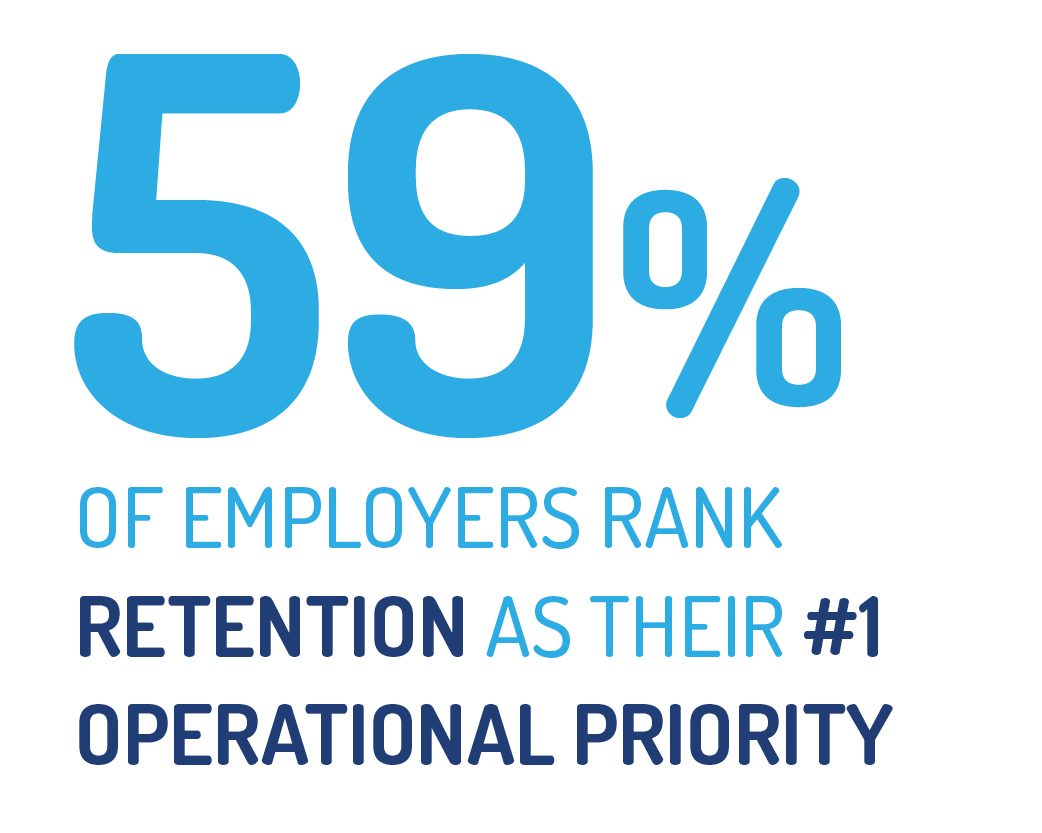
According to Gallagher’s 2025 U.S. Talent Benchmarks Report, 59% of employers now rank retention as their top operational priority—surpassing concerns like efficiency or cost control. A topic once managed quietly within HR has migrated to executive discussions and, in many organizations, to board-level agenda items.
The leadership perspective: The shift signals a deeper truth: retention is a reflection of organizational health. When people leave, they don’t just take skills—they take cultural memory, relational capital, and momentum.
Why it’s worth zooming in: The financial consequences of turnover are well documented, but the cultural ripple is just as significant. Attrition impacts engagement, brand trust, and even customer experience. When retention becomes unpredictable, leaders lose control of continuity.
How leaders can sharpen focus: Fixing retention requires redesign, not reaction. Trust, psychological safety, and growth anchored in real opportunity—not symbolic gestures—increasingly determine whether people stay because they believe or leave because they don’t.
Leadership Capabilities Are Evolving Faster Than Leaders Are Being Developed
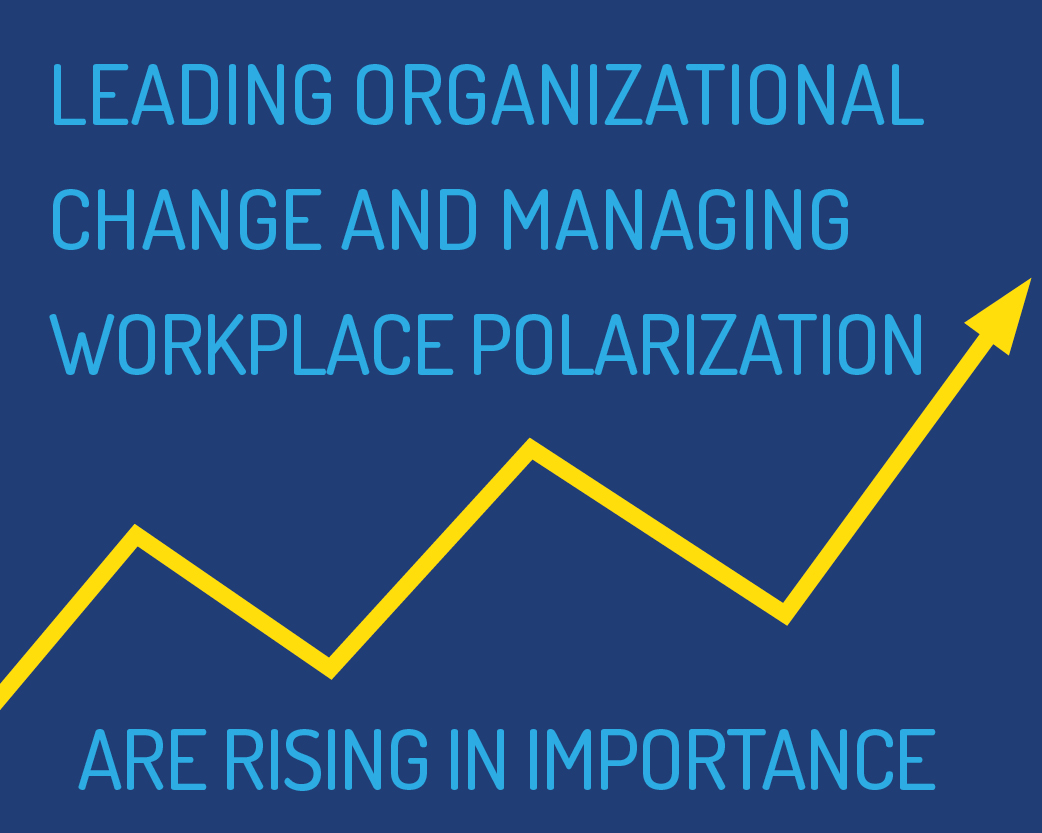
Harvard’s 2025 Global Leadership Development Study, which surveyed 1,159 HR, L&D, and functional leaders across more than 14 countries, reveals a significant shift in capability priorities. Nearly half (47 percent) report that emotional and social intelligence has become more critical compared to 2024. Four in ten highlight leading organizational change and managing workplace polarization as skills rising in importance, while 39 percent identify AI fluency as an emerging necessity.
The leadership perspective: The issue is not a shortage of leaders—it’s a readiness gap between what leaders are being prepared for and what the future of work demands.
Why it’s worth zooming in: Systems designed for linear career growth and instructional development are now serving leaders in an environment defined by volatility and interdependence. Leadership expectations are accelerating at a pace that current development methods struggle to match.
How leaders can sharpen focus: Building leadership capability will require less reliance on passive learning and more emphasis on immersive, stretch-based experiences that build adaptability, emotional depth, and trust-centered influence.
Breathwork Enters the Leadership Conversation
In a feature published by National Geographic (October 2025), former Navy SEAL and FBI agent Errol Doebler shares how deliberate breathwork practices helped him manage everything from combat stress to parenting tension. Techniques such as box breathing—traditionally used by elite military teams to regulate the nervous system—are now being integrated into leadership coaching, resilience training, and executive decision-making rituals.
The leadership perspective: Self-regulation is becoming foundational to leadership effectiveness. A leader’s ability to steady their internal state directly shapes how they communicate, decide, and lead under pressure.
Why it’s worth zooming in: Chronic stress erodes judgment, empathy, and presence. Breathwork offers an immediate, research-supported way to reduce cortisol, stabilize heart rate, and restore clarity—all without reliance on technology or extended downtime.
How leaders can sharpen focus: Incorporating “micro-resets,” such as a minute of paced breathing before critical meetings or after moments of conflict, can train leaders to respond with intention instead of react from instinct. Calm is not accidental—it is cultivated.